
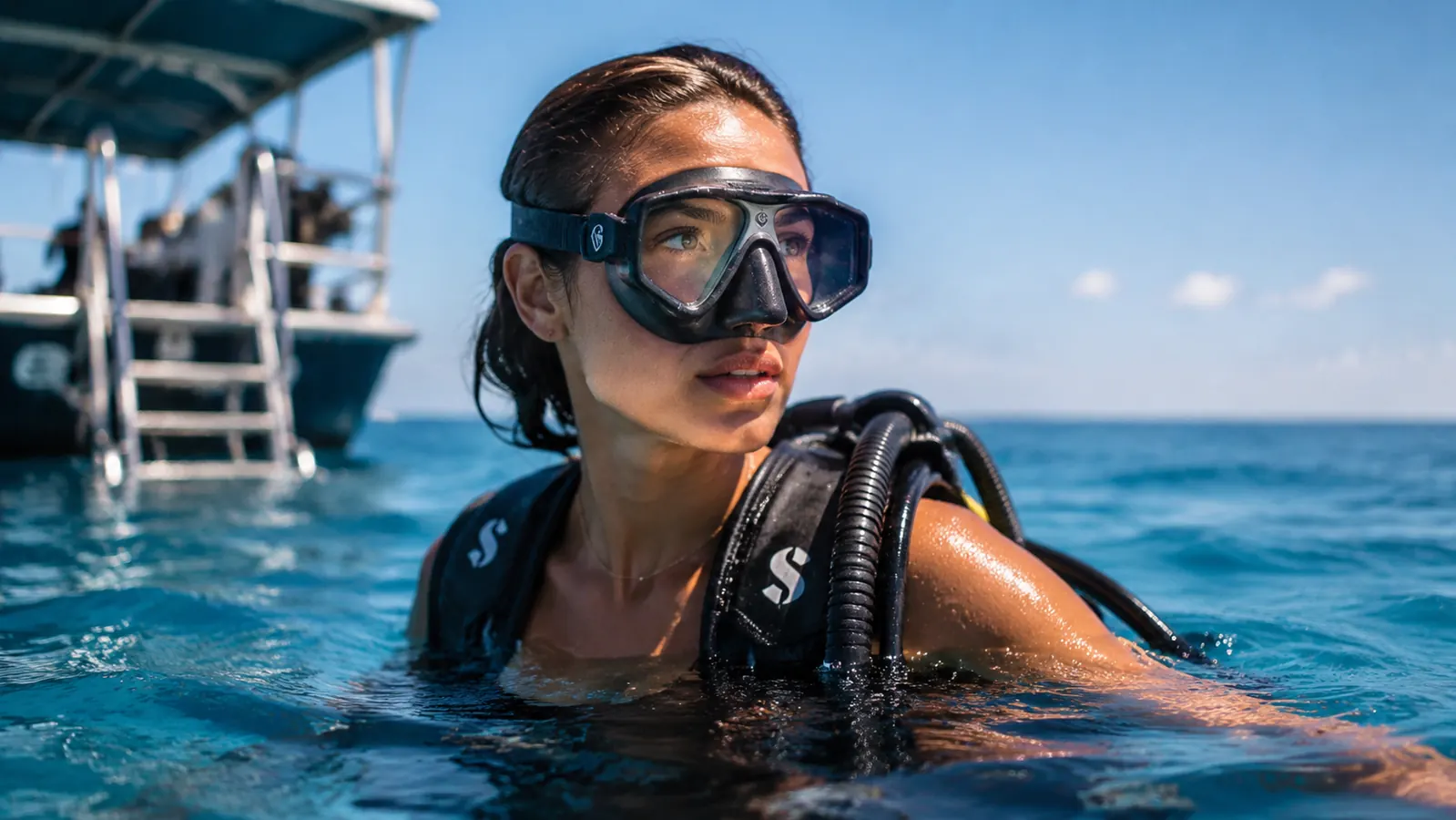
I have worn twenty years' worth of dive masks that fought me. Nose leaks on the way down. Fog inside the lens within the first hundred feet. A red stripe across the bridge of my nose so deep that my dive buddies asked if I had my strap cinched too tight. I fix things for a living, and a mask I could not make seal felt like a failure of craft, in the gear and in me.
Over the years I blamed the usual suspects. My face, which I decided was too wide. The cold quarry water. The stale air in rental masks. I bought expensive masks at the dive shop and cared for them like my chisels, wiped and dried after every trip, and they still leaked by the second season. Then a frameless mask called the Cressi F1 showed up on my workbench, and I almost sent it back before I ever wet it.
Four and a half stars across more than four thousand reviews. A frameless design that folds flat. And a price that made me suspicious in the other direction, because cheap tools make me nervous. I am glad I ignored that instinct.
The wreck dive that finally broke me had come earlier that year, out of Key Largo. Sixty feet down over the bow of a tug I had waited three seasons to see, I spent the whole dive clearing a leak that kept sneaking past my right eye. I saw the wreck. Mostly I remember wiping my mask.
On the wreck where I gave up on my old mask, I cleared water every few minutes. First dive in the F1, I cleared it zero times in forty minutes.
The Mask That Finally Sealed
The Cressi F1 ended two decades of leaking and fog for me, and more than 4,600 reviewers back it up. If you are clearing water every few minutes, this is the fix. Check today's price, then read my long-term review before you spend more than you need to.
Amazon Check Today's Price on Amazon →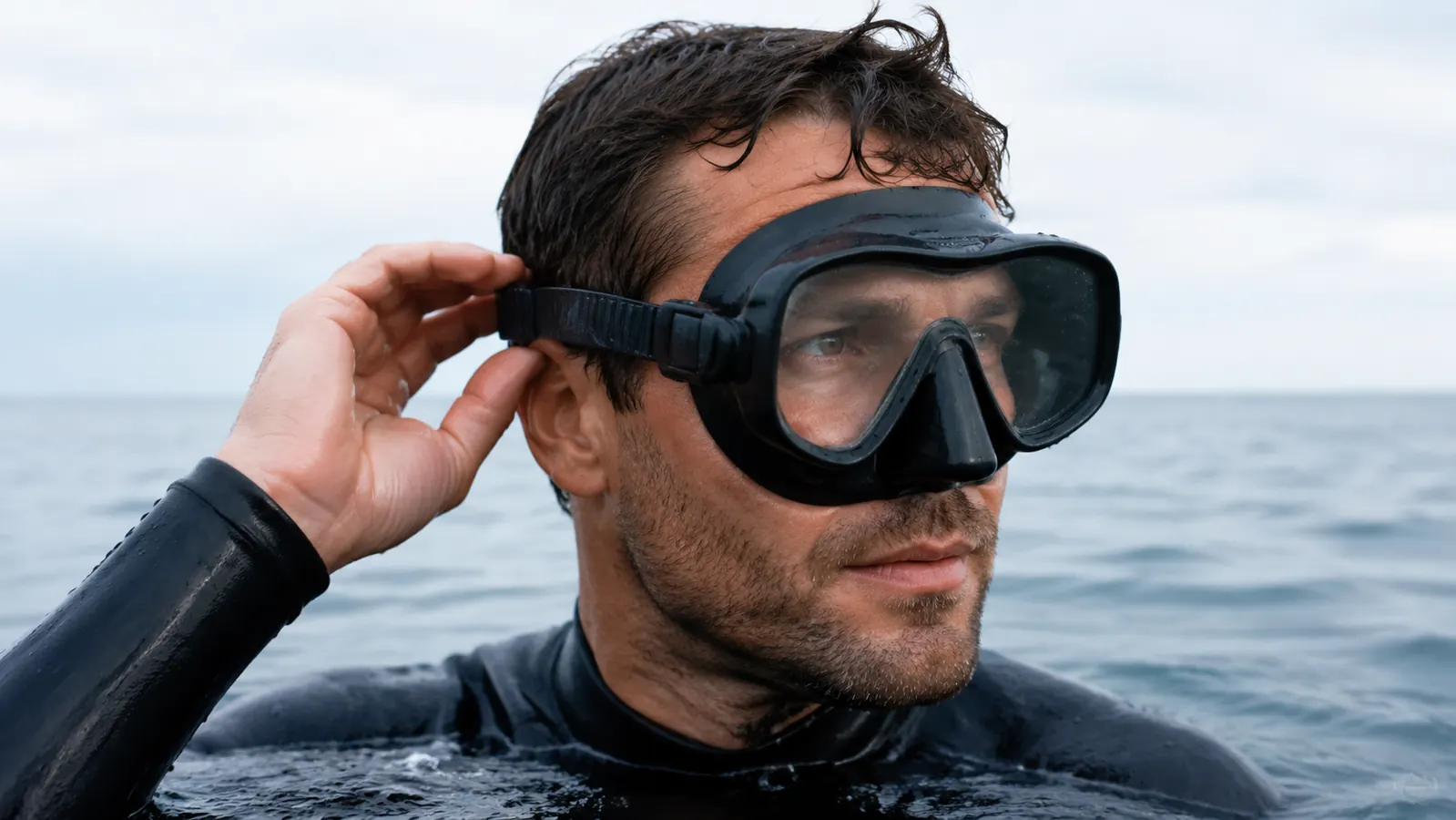
The Morning I Stopped Blaming My Face
First dive with the F1 was a noon checkout in 68-degree quarry water, the kind of dive I use to break in new gear. I expected the usual clearing ritual. It never happened. The mask sealed before I even pulled the strap tight. The silicone skirt cushions my cheeks in a way a rigid frame never did, and because there is less air inside the lens, there is less moisture to fog it. I stayed down the full hour and came up dry-eyed. For me, that was a first.
That was two years and maybe a hundred and forty dives ago. The mask has been down quarry walls, on reefs off Cozumel, and on a liveaboard in the Bahamas, and the Cressi F1 still seals like day one. I rinse it in fresh water after every trip, the same way I clean my tools at the end of a job, and the silicone is as supple now as the day it came out of the box. The strap has not stretched. Nobody on any boat has commented on it, and that is the whole point of a working mask.
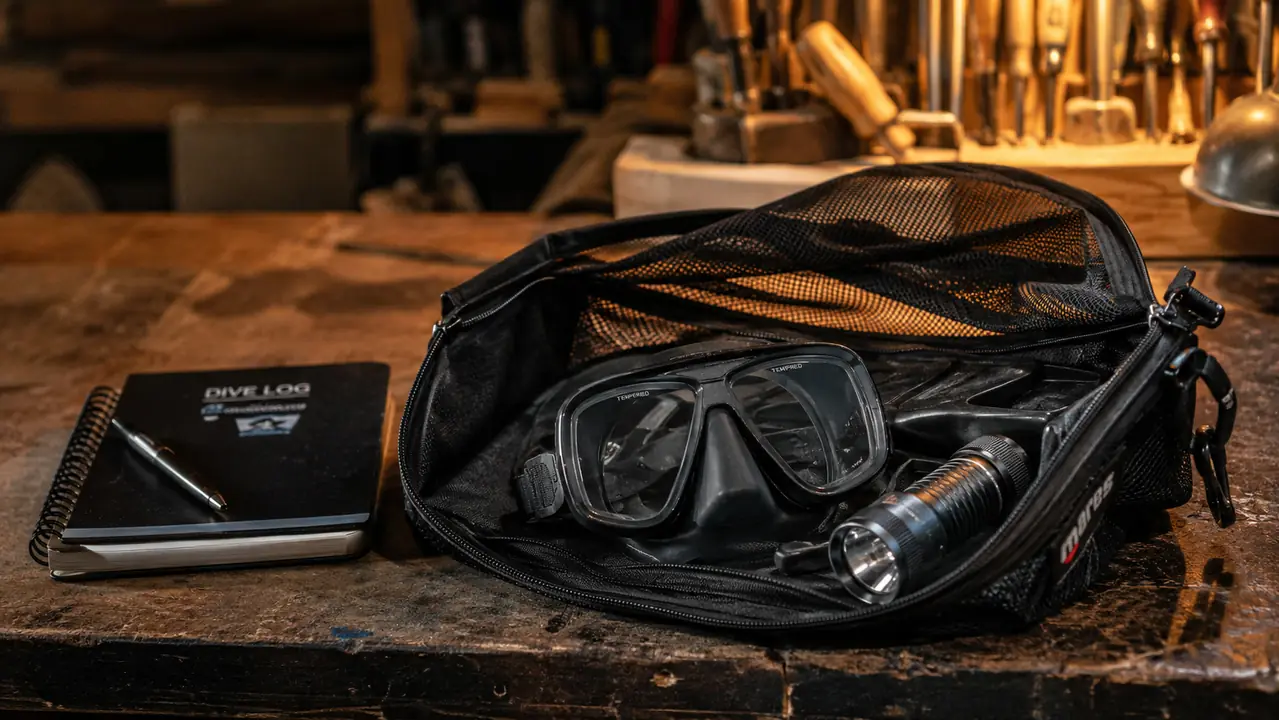
It also rides at the bottom of my gear bag folded flat, taking up less room than my logbook. Two years ago I would have sworn by the framed mask with the big lens. Now I reach for the F1 first every single trip, and I never think twice about whether it made it into the bag.
I am a trim carpenter, and I learned mask fit the way I learned joinery, slow, and mostly by getting it wrong. A framed mask is built to a factory face. The F1 is built the other way, the skirt is soft enough to take the shape of the face in front of it, which is why it seals before the strap has to do any work. It is the difference between cutting a joint to the drawing and cutting it to the wood in front of you. Every framed mask I owned was cut to the drawing. None of them fit my wood.
It is not a perfect mask and I will not pretend otherwise. The field of view is not the widest in the catalog, so if you shoot photos or want the full sweep for a night dive, you might want a bigger lens. The nose pocket fits my face, but masks are personal, the same way a hammer handle is personal. What the F1 gets right is the thing that had been failing me for twenty years: it fits, and it keeps fitting.
One honest note about fog. No mask is fog-free, and anyone who tells you different is selling something. The F1 just fogs less, because there is less dead air inside the lens. I still do the same half-second ritual I have always done, a drop of dish soap rubbed in and rinsed, and I get a full dive out of it. I bought commercial defogger once in my life and never again.
Ask me why I still use this mask when fancier ones hang on shop walls for a lot more money, and the answer is boring. It seals, it fogs less, it packs flat, and after two years in salt water it has not betrayed me once. That is the entire argument. I have enough complexity in my life from clients, deadlines, and a house that always wants attention. My mask does not need to be interesting. It needs to work, and it does.
What I'd Tell You If We Were Sitting at My Kitchen Table
If you were at my kitchen table with a cup of coffee and told me you were shopping for a mask, here is the straight answer. Stop blaming your face, because the cheapest mask in the dive shop fits somebody perfectly, and so does this one. The trick is finding the one that fits you. Do the fit test before you buy: put the mask on without the strap, breathe in through your nose, and let go. It should hold itself on your face. The Cressi F1 passed that test on the first try, and it still passes it on the hundred and fortieth dive. Then fold it flat, rinse it every trip, and spend what you saved on a dive light and a dive computer, because those two earn their space in your bag. I made the other mistake for twenty years so you do not have to.
Fit First, Everything Else Second
The honest truth from my kitchen table is that fit beats everything. The Cressi F1 fits my face, folds flat, and after a hundred and forty dives it still seals. If you want the numbers, I keep a full long-term review and a list of reasons a frameless mask is worth owning. Today's price on Amazon is below.
Amazon Check Today's Price on Amazon →